Physicians
Been thinking about that new product for a while? Let us help and bring a real device to clinic ASAP.
Medical product design and manufacturing · Greenville, SC
I design solutions to non-surgical medical issues using human-centered design and Jobs-to-be-Done frameworks. We can take an idea to prototype to production, iteratively, quickly, and safely.
Who this is for
We complement your experience with development skills and technologies.
Been thinking about that new product for a while? Let us help and bring a real device to clinic ASAP.
Obsessed with patient care and equipment that doesn't quite cut it? Let's build something together.
You see it all and often have the insights most impactful to a patient's experience. We would love to partner.
Ready to sell your own products? Bring your clinicians solutions to problems they bring up.
Work together
Option A
You own the idea and IP but need engineering hours to move it forward.
After our initial call, you get a written scope and estimate before we begin. We contract for phased work with clear success criteria.
Option B
You're a clinician or sales professional with the problem and the access, and you don't have time to build a company around it.
We agree the structure case by case, based on what each of us can contribute and wants.
Process
1Start
A 30-minute call about the problem and your goals.
2Empathize
We get first-hand knowledge of the problem through site visits, photos, videos, and first-hand accounts.
3Define
We define and align on success criteria for the project. This is how we know when the problem is solved.
4Ideate
We use divergent thinking and research to look at as many possible solutions as we can.
5Prototype & test
We create the first prototypes and do user and lab testing to refine the product.
6Go-to-market
We finalize the design and deliver the product, files, and compliance records.
Case studies
Each project shows the problem, what I built, and the evidence. Prototypes are marked as prototypes.
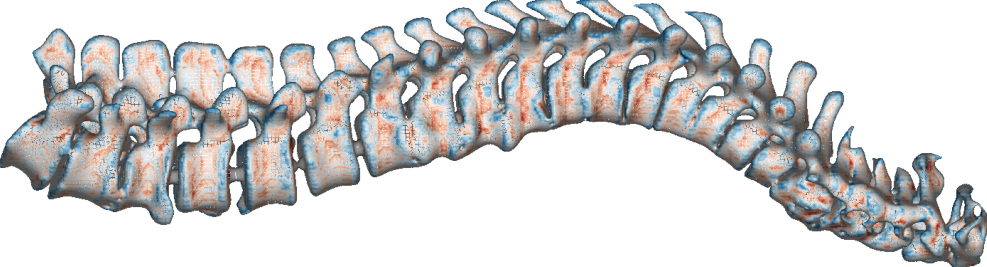
Pass criteria: median at or below 0.5 mm and 95th percentile at or below 1.25 mm. The smoothed mesh I printed passed with a 0.42 mm median and a 1.06 mm 95th percentile. These numbers compare the print file to the segmentation, not the physical print. The scan resolution (0.70 x 0.70 x 1.25 mm voxels) limits accuracy to about ±1 mm. The model was made with real patients' CT scans from VerSe, a dataset that is publicly available online for research. It is for education and demonstration and is not for diagnosis.
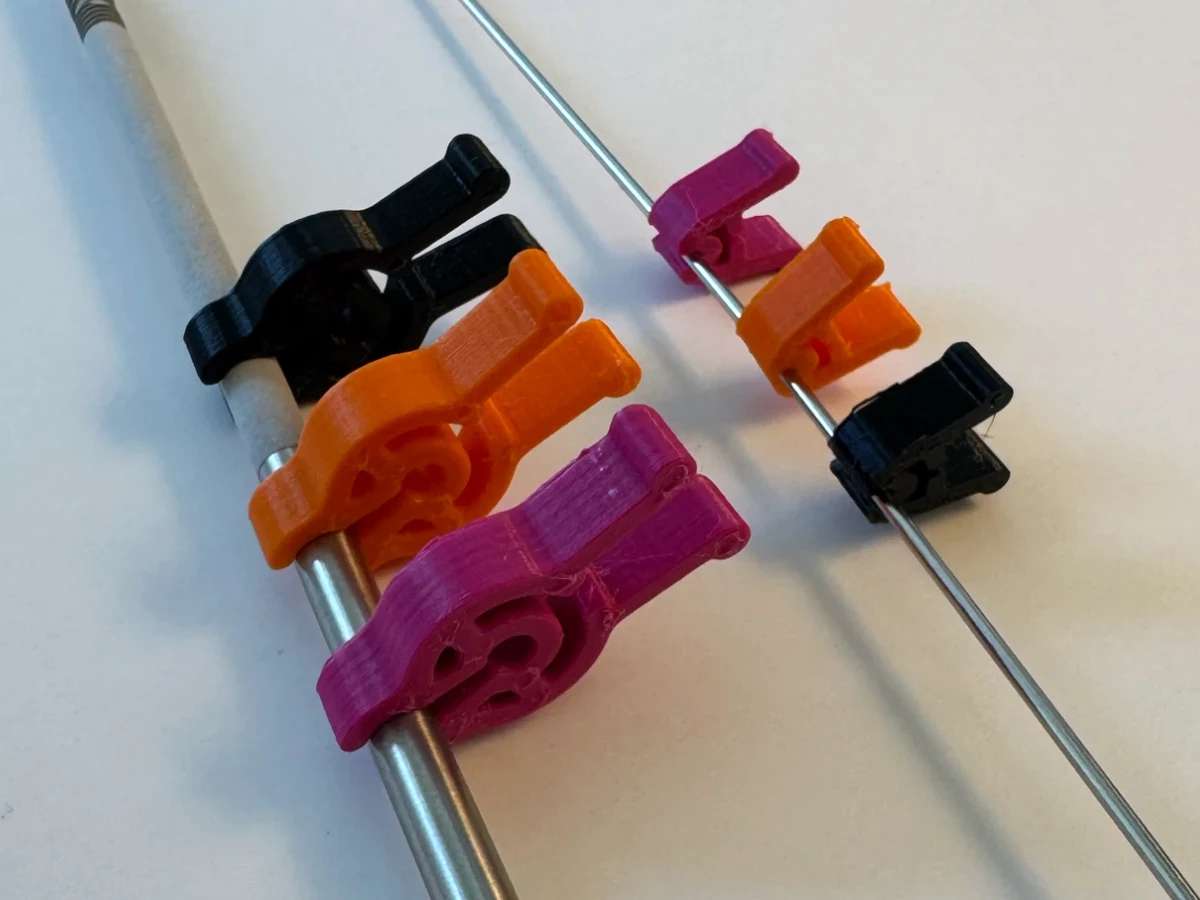
Outcome: I stopped the project. Facility buyers showed little interest, and training staff in senior care to use the device raised new problems. Since then I start every project by asking who pays and who has to change how they work.
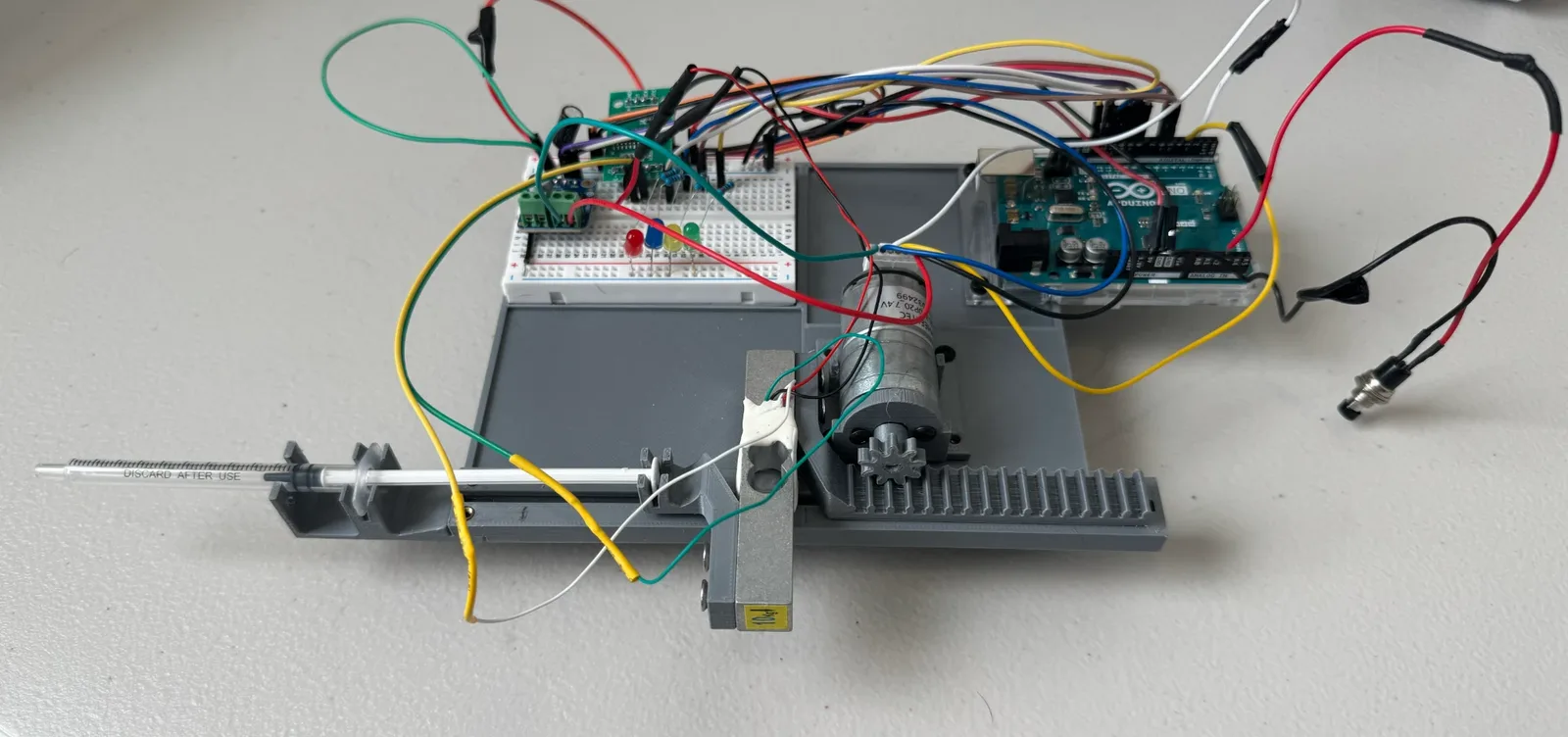
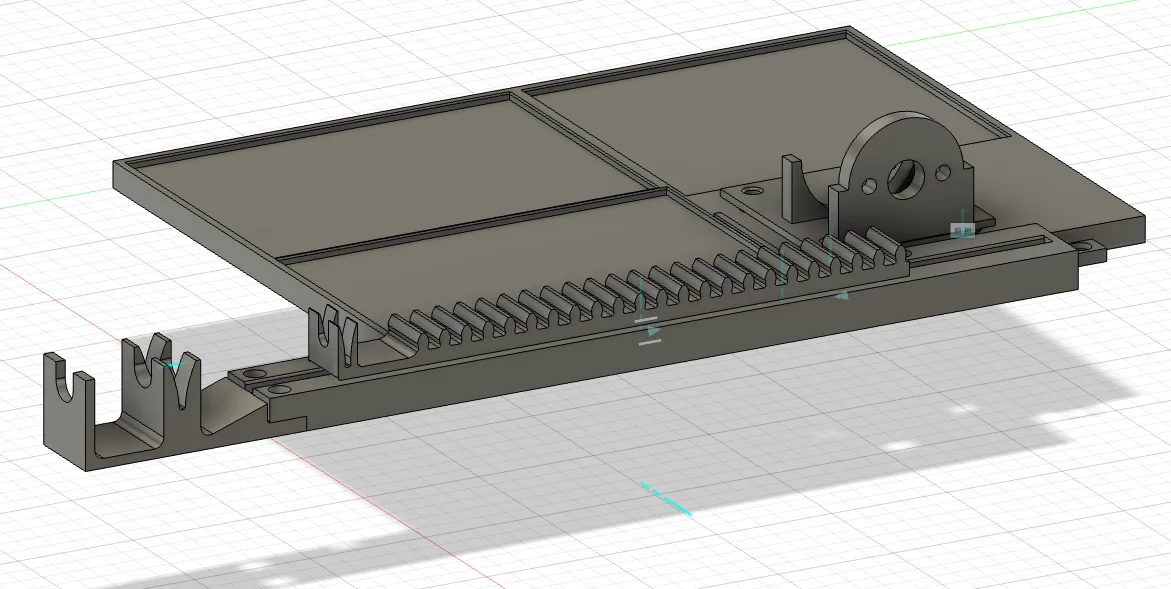
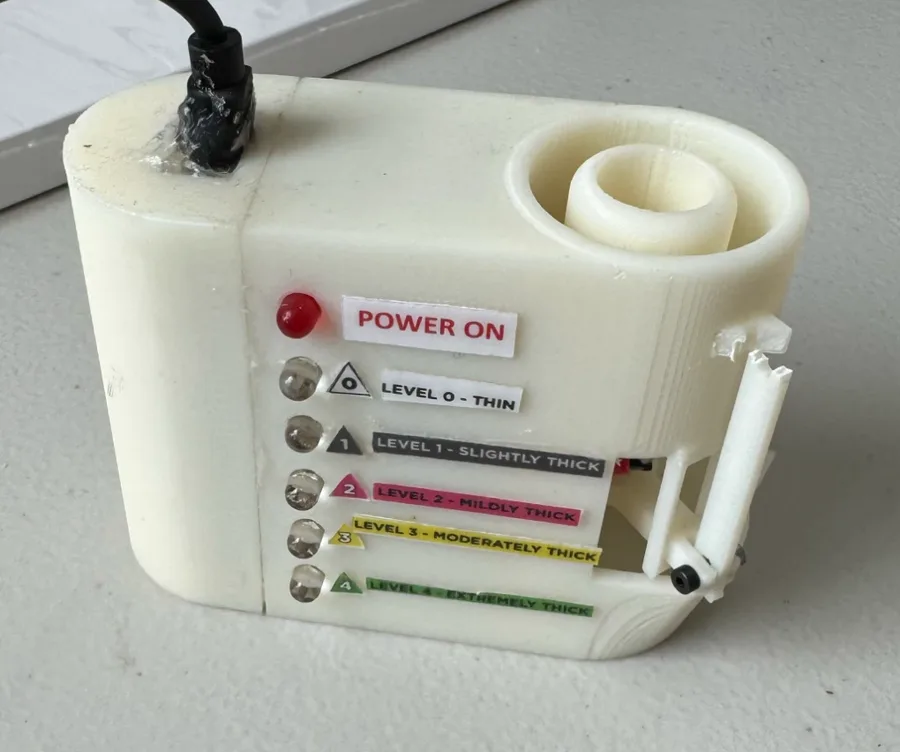
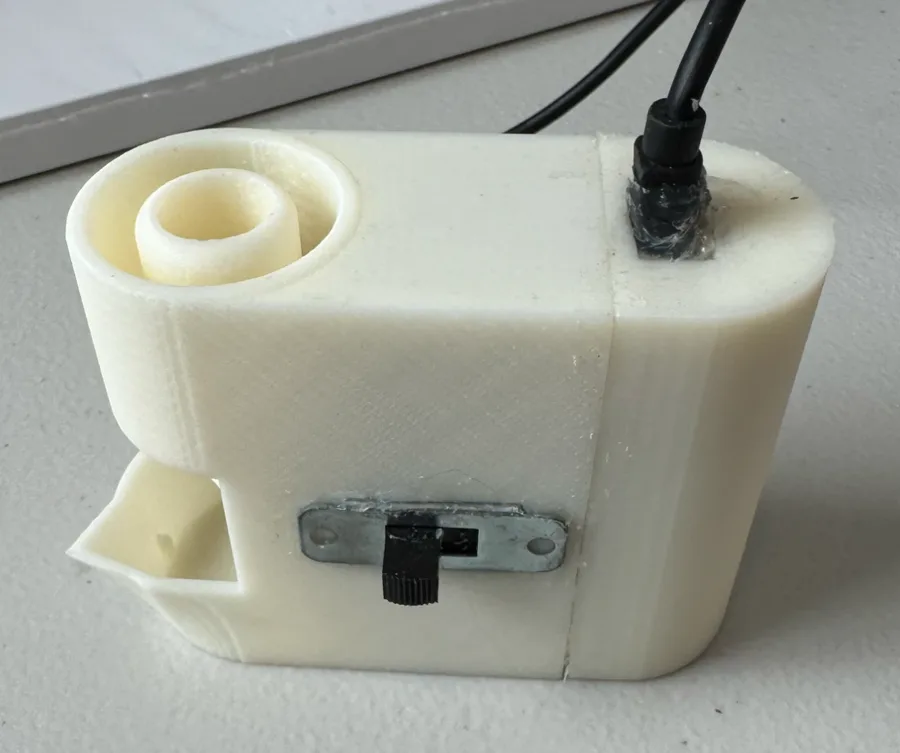
Outcome: I paused the company in September 2026. The build documents, BOMs, and test data are archived for a restart.
About
I'm a mechanical engineer in Greenville, South Carolina, and I've practiced product design for eight years, mostly in Class I medical device research at P&G.
At Vanderbilt, I was a TA for several engineering design courses and ran the makerspace at the Wond'ry, the university's entrepreneurship and engineering center. Most of my time there went to 3D printers, laser cutters, and students trying to turn a concept into a working prototype, including some of my own ideas.
My first medical device job was an R&D internship at Nuvectra, a neurostimulation company. I designed new road show materials our sales teams used to demonstrate the surgery in doctors' offices, mapped 200 QMS SOPs into a single view of the quality system, and led the root cause analysis on the human interface control system, which saved $24k per week.
After graduating, I spent five and a half years at Procter & Gamble working on Always Discreet, a brand for women managing bladder leaks. The products are FDA Class I exempt medical devices in the US, with other designations in Japan and China, so the work sat somewhere between consumer goods and medical products.
My focus was primarily on product research: what does the consumer want, need, and want to hear? I took part in more than 300 one-on-one interviews and designed consumer studies in which thousands of participants completed tens of thousands of surveys. Much of my research turned into new product lines and sustaining innovation:
Not every launch went well. One drew a wave of negative reviews, so I led a multifunctional team to find the root cause and intervene where necessary. I used AI sentiment analysis on 30,000 comments, and the product and marketing fixes that followed cut negative feedback 60% from peak in three months. We then used what we learned to revamp the launch playbook for the Baby, Fem, and Family categories.
I also led claims and compliance for the brand, from TV copy to packaging. Every claim had to hold up legally, drive consumer, retailer, and business value, and be executed correctly by our commercial teams. We had a 100% success rate defending tier one claims.
In 2025, I left to build my own products. Since then I've taken a pet product (Potty Box) from concept to launch, developed a device that measures liquid viscosity for dysphagia patients, and set up a boutique product design firm where I design and develop products for medical professionals.
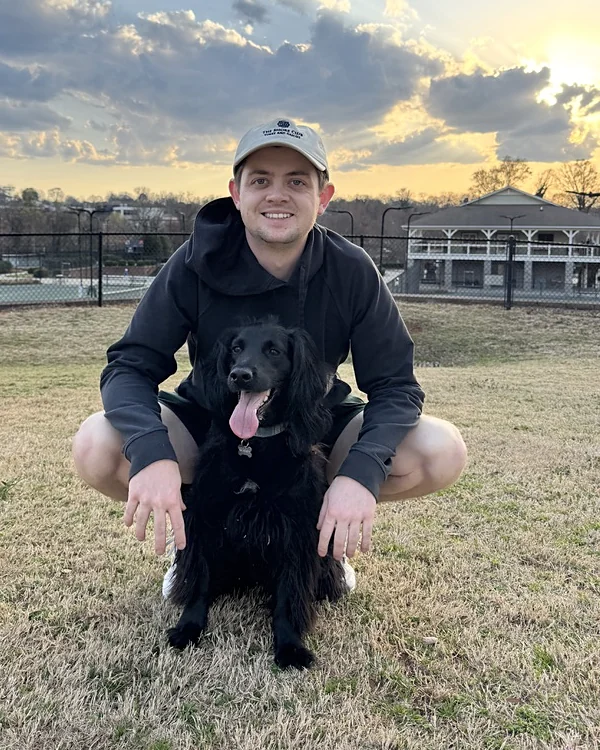
My wife and I are originally from the Upstate and moved back in late 2022. We recently got married, bought a home in Greenville, and have our dog, Teddy, to keep us on our toes.
If you made it this far, thank you for reading. I kept this long to show the breadth of my experience in design, compliance, and user satisfaction. If you're seeing a problem in your specialty that people have learned to work around, I'd like to hear about it. I take on hourly product design work, and I'm open to a long-term partnership when we're a good fit.
Start a conversation
A few sentences is enough. I reply within two business days.
Or email contact@eastinsolutions.com
Please do not include patient names or any protected health information.