Every detail counts in post-op care
Pediatric orthopedics
Sponge clips for external fixators that hold better and match the color each child picks.
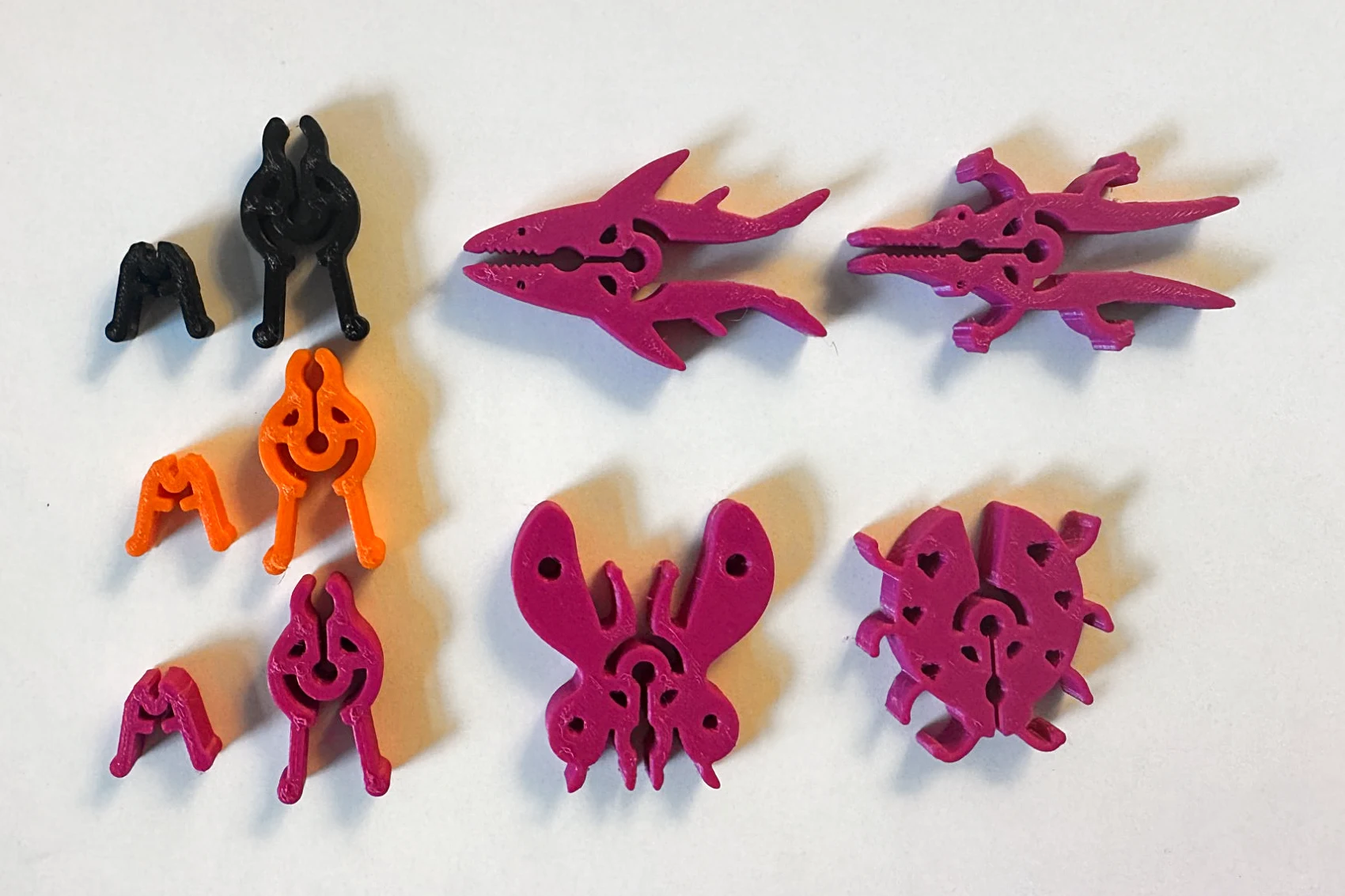
The little details often get missed by orthopedic medical device manufacturers. They focus on major features, and rightfully so: patient recovery time, surgeon education, and accuracy of fixation. They focus on the meat of the problem, but that can leave small, impactful details in pre- and post-op care neglected.
A client came to me with one of those details, in post-op care for external fixation in pediatric orthopedics.
After surgery, the care team applies Hibiclens soaked sponges to the external fixation rods or wires to keep the entry sites clean and promote healing. The sponges sit up close to the skin, however, the provided clips didn't secure well, were disliked by care teams, and clashed with the color options the surgery hardware offered the children.
Before surgery, the kids could choose from a wide range of colors for their fixation device. That choice is a key emotional job. It helps the children feel comfortable and in control, and the clips actively clashed with it.
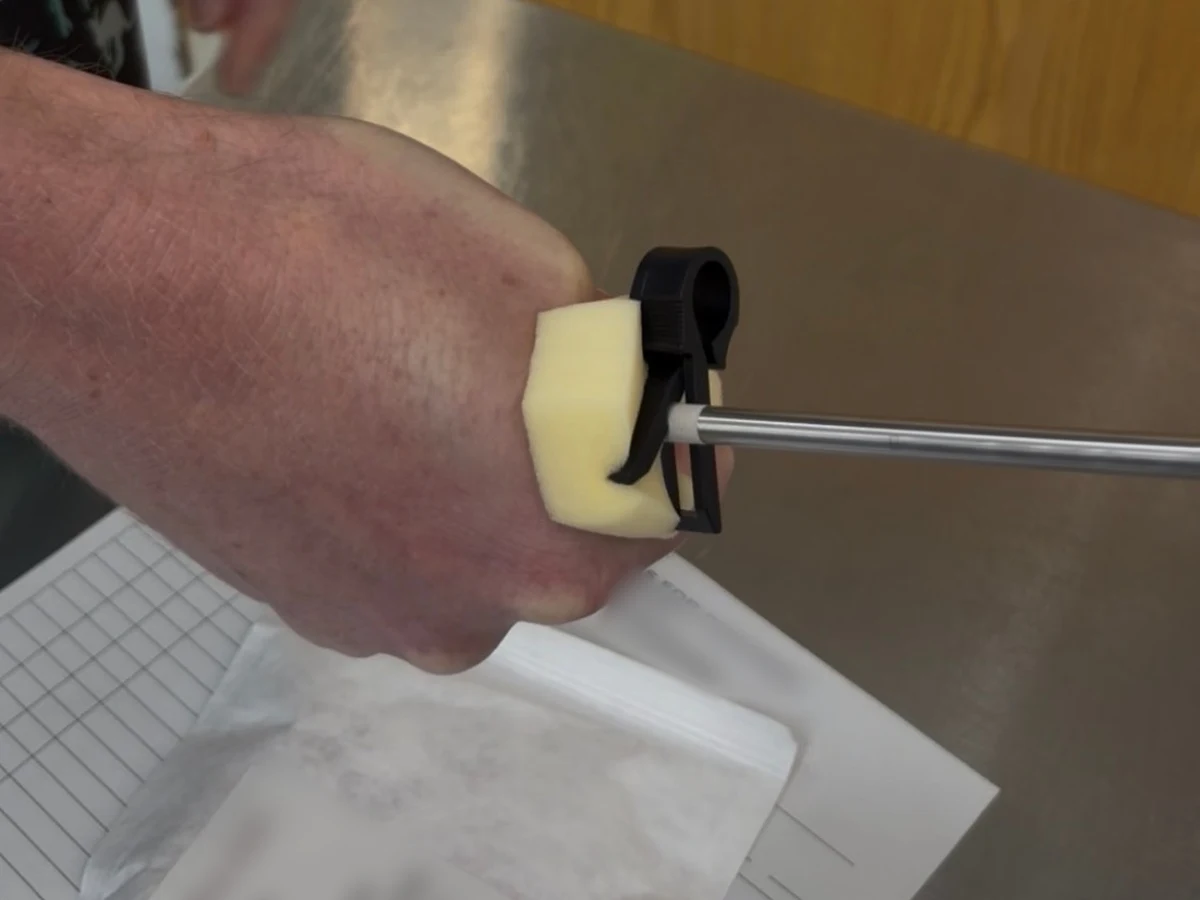
So, what does success look like for these clips?
We defined the problem qualitatively and quantitatively:
- Must be available in multiple colors and shapes
- Green
- Pink
- Purple
- Blue
- Red
- Black
- A simple solution to a simple functional job
- Don't reinvent the wheel. Clips exist.
- The clip can't be easily bumped off, slid, or accidentally removed
- We set 30 N of sliding resistance as the target.
- A moderate flick should not knock the clip loose.
Once we had defined the problem, we ideated by starting with the state of the art: hair clips, chip clips, car sun visor clips, and open-source 3D printed clips. Within 3 hours we had about 10 clip options to put through our own qualitative testing, which gave us a rapid feedback loop for iteration.
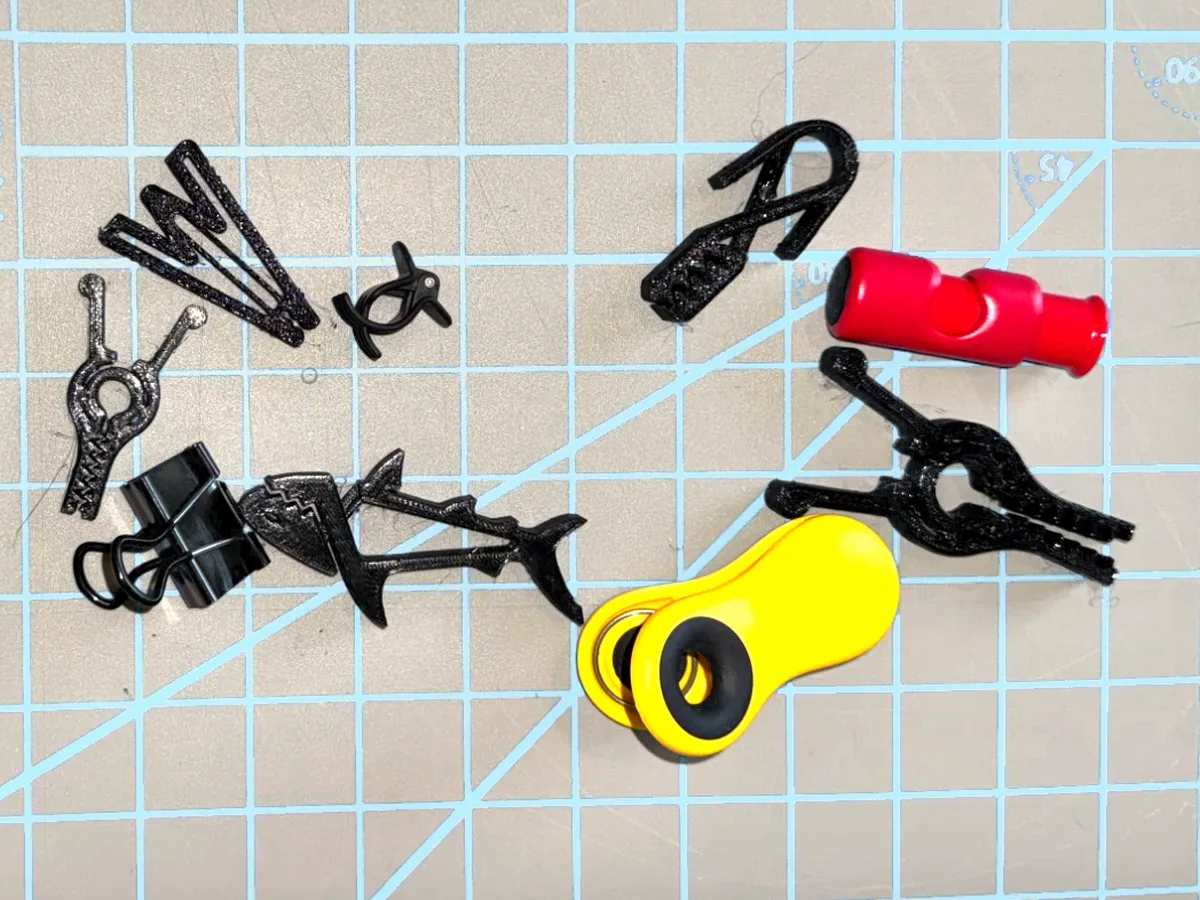
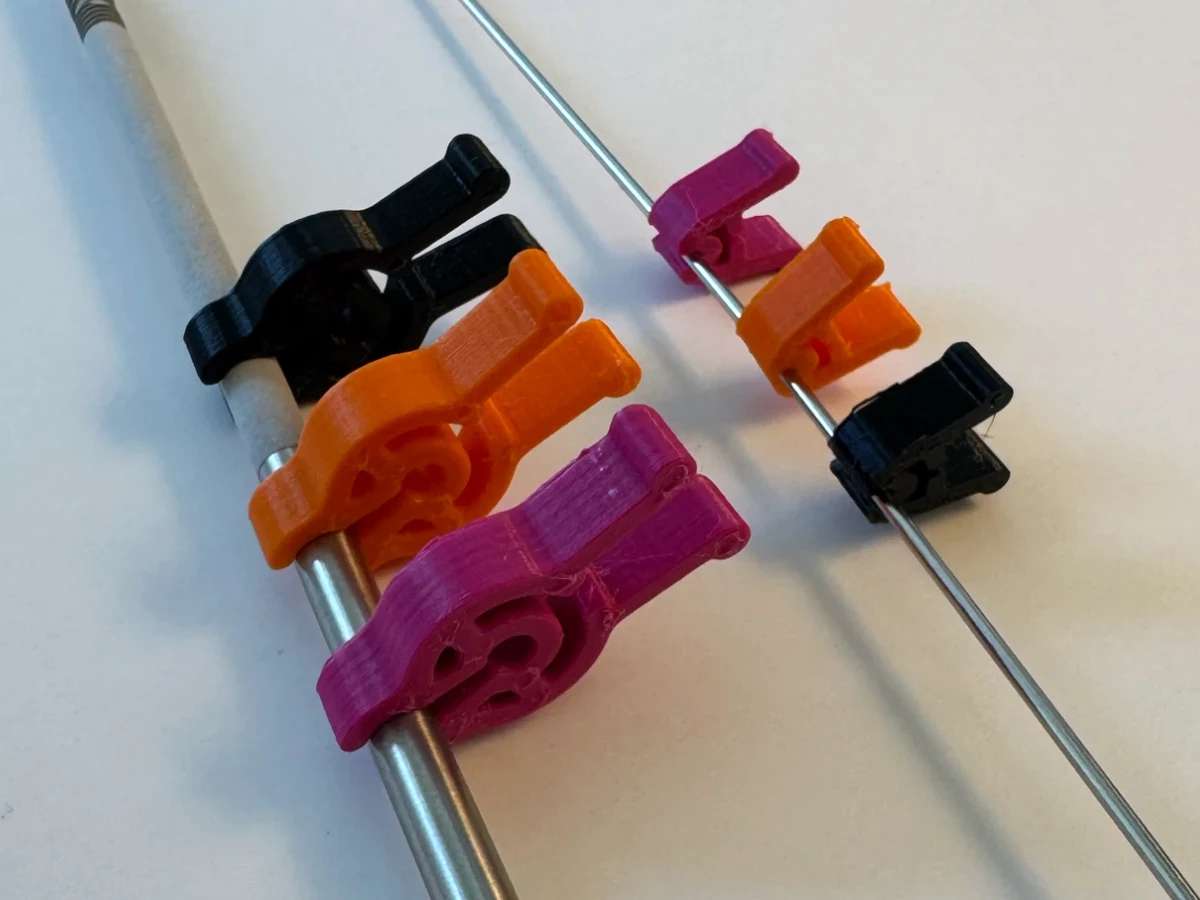
After about 10 hours of work, that led to 4 promising prototypes: a live hinge clip, a wedge clip, a plunger clip, and a lever clip. Each had its own strength, whether simplicity, holding strength, or versatility.
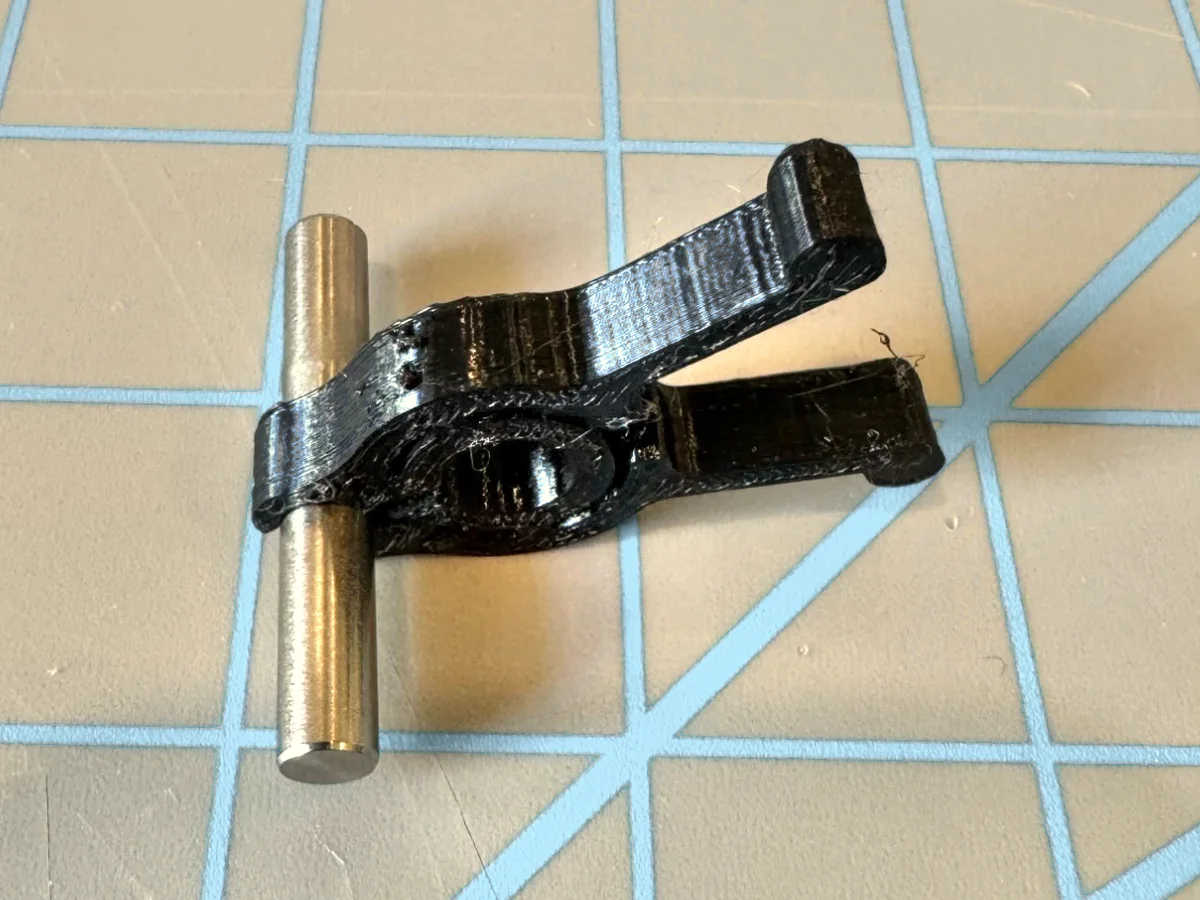
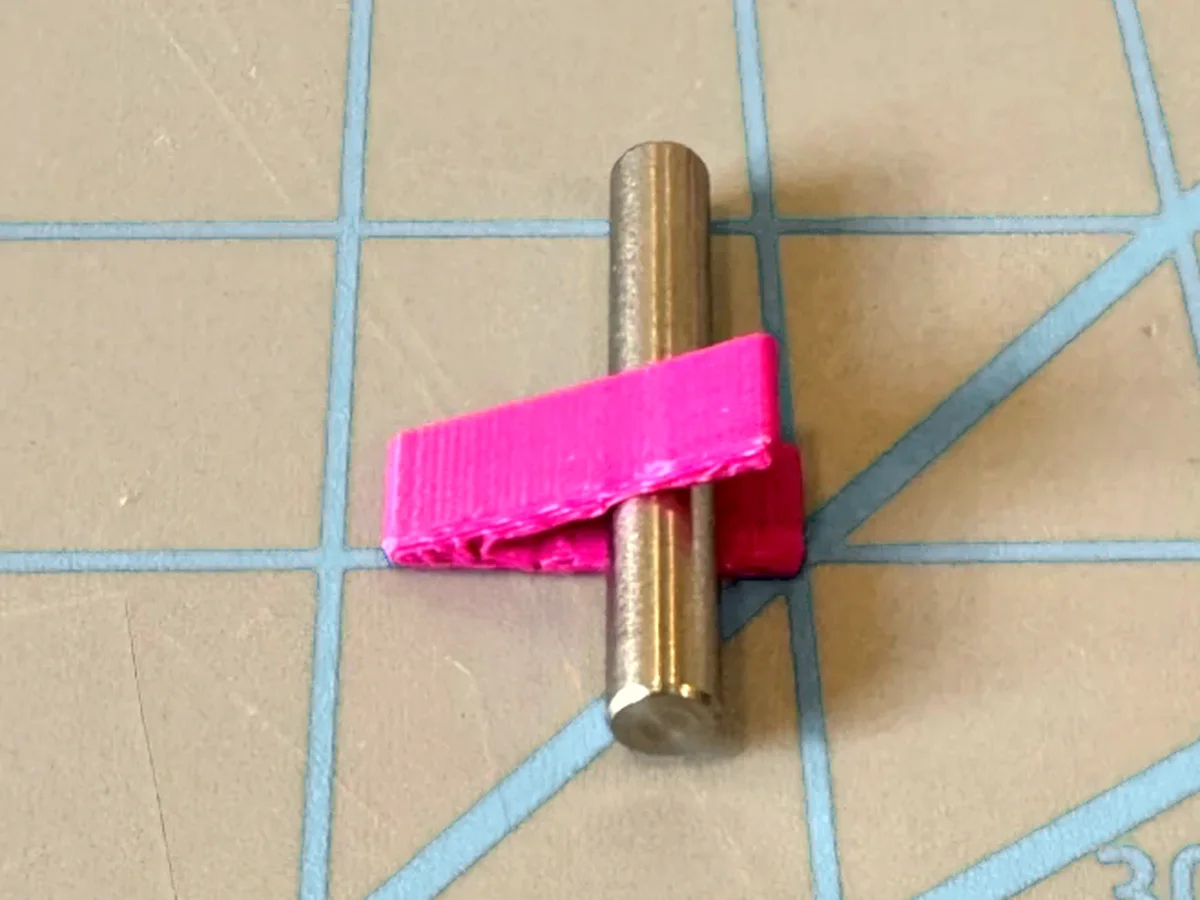
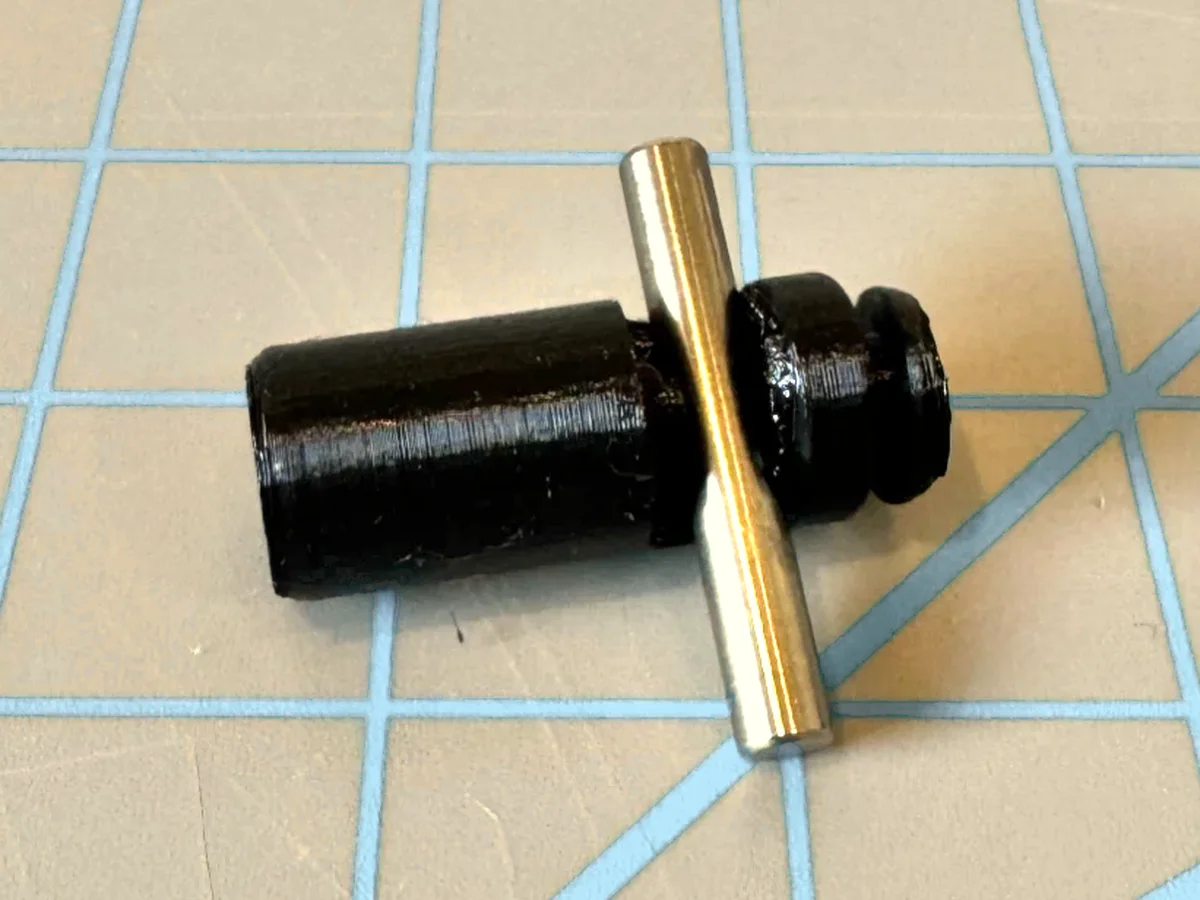
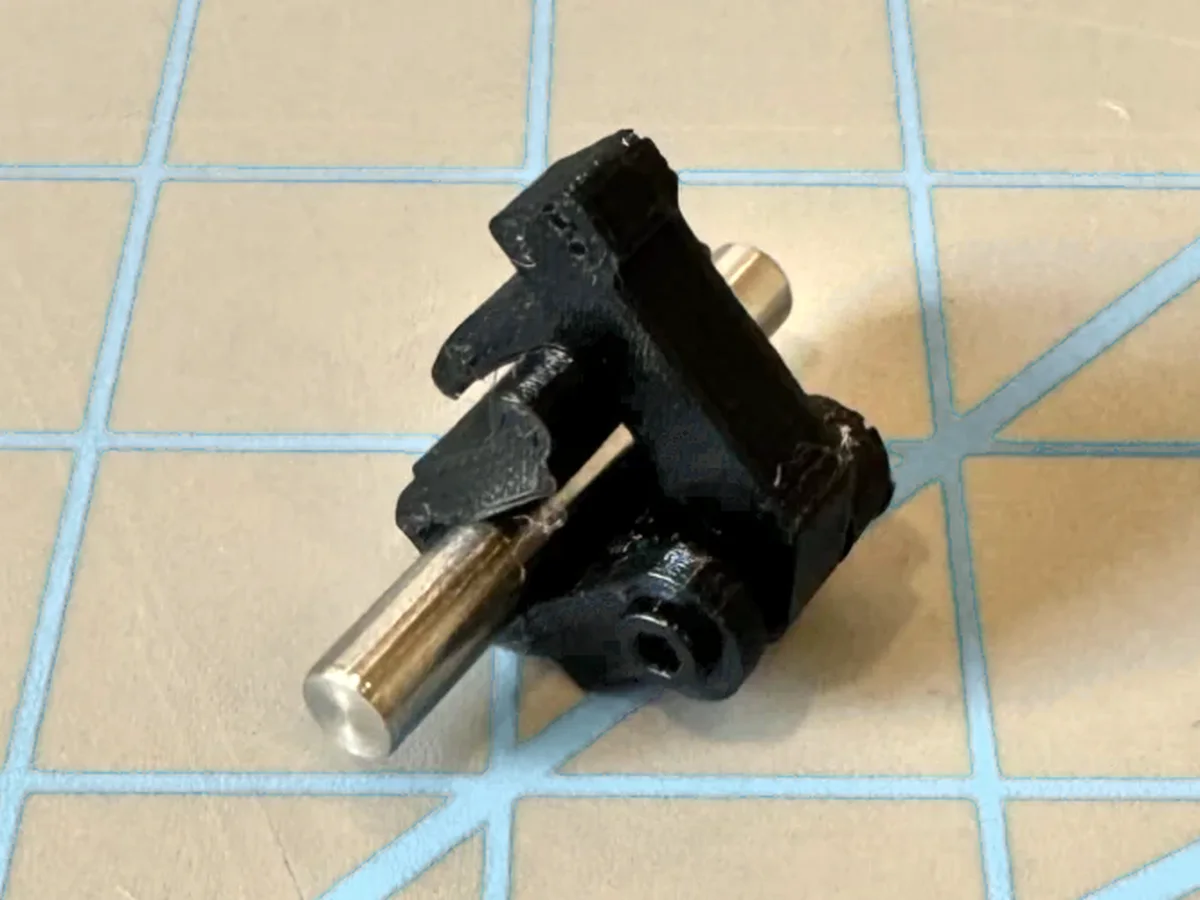
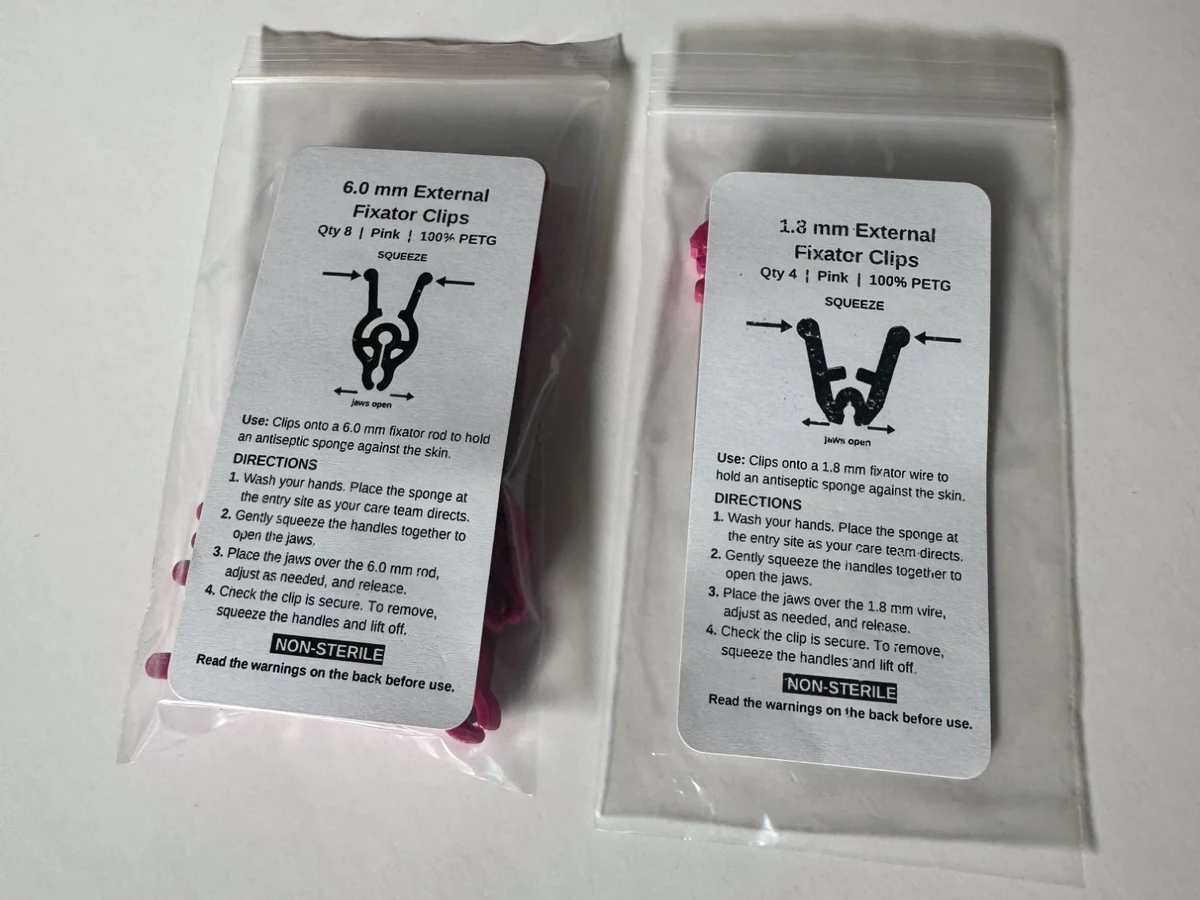
We took these back to the client and set up a trial during the next surgical case. They accepted our recommendation to use the live hinge clip because of its simplicity and versatility. The conversation also revealed a new requirement: one clip for the wire (1.8 mm) and one for the rod (6.0 mm). Fixation methods vary from case to case, and most of the time many more rods are used than wires.
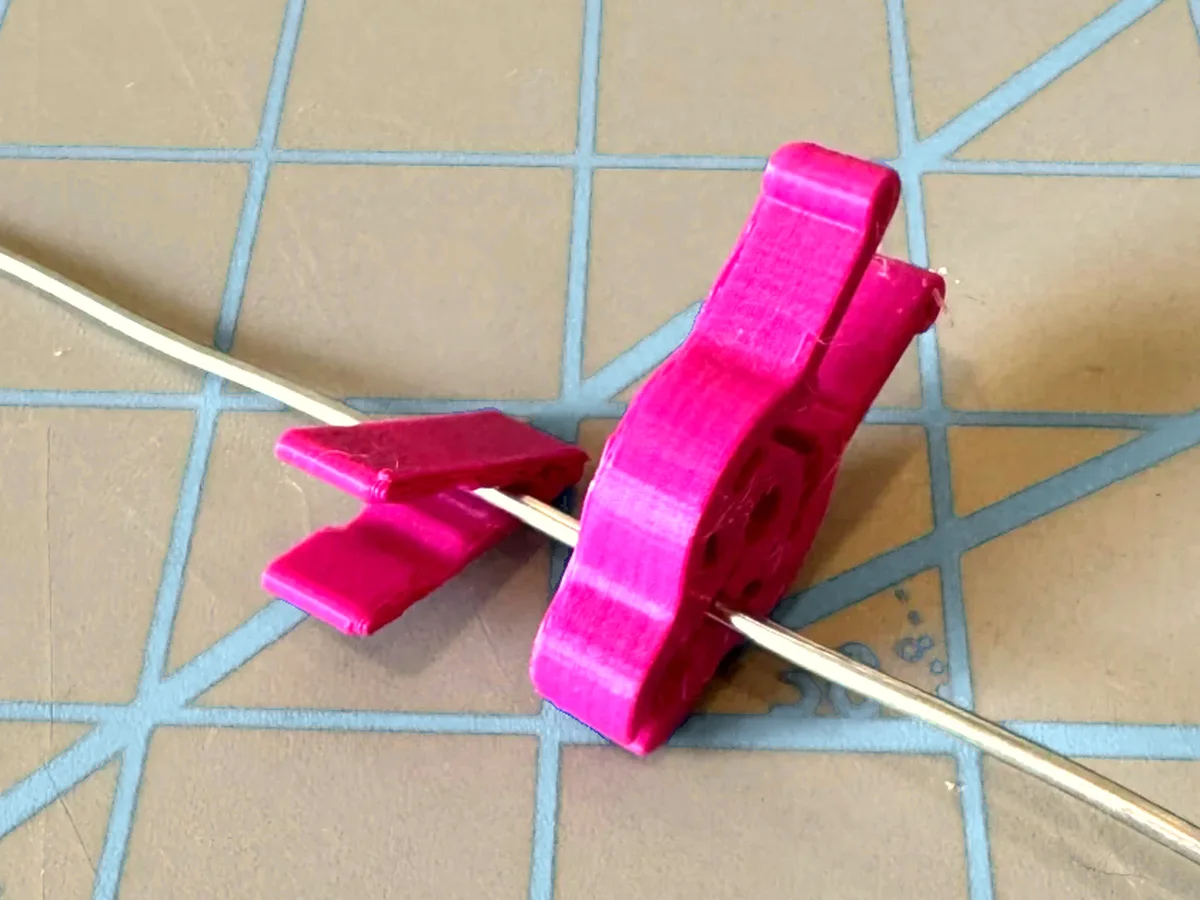
We used the same iterative process to build a clip for the 1.8 mm wire, where the small size created many more technical challenges. We delivered the two live hinge clips for the trial after 8 working days and roughly 30 total working hours.
As hoped, the clips no longer fall off, and they secure the sponge against the body. They also aren't a distraction for the patient, because they match the color the child chose.
Our next step is to create animal shapes around the clips to better serve the emotional jobs. We hope to expand this solution to other surgeries and clinical opportunities that use standard 6.0 mm or 1.8 mm external fixators.
Seeing a detail like this on your unit?
Tell me what keeps going wrong. I'll tell you how I'd approach it.